Bringing Dreams to Life: How Event Planners Can Elevate Your Non-Profit Charity Events
Event organizers function as vital allies for charitable organizations, turning visionary concepts into concrete achievements. Their knowledge closes the divide between operational planning, supplier management, and creative direction. By embracing calculated budgeting approaches and harnessing digital media, they strengthen donation campaigns and public involvement. However, the journey from concept to execution is intricate. Knowing how to choose the ideal coordinator and apply proven methods can significantly influence an event's outcome. What components will finally shape that accomplishment?
The Role of Event Planners
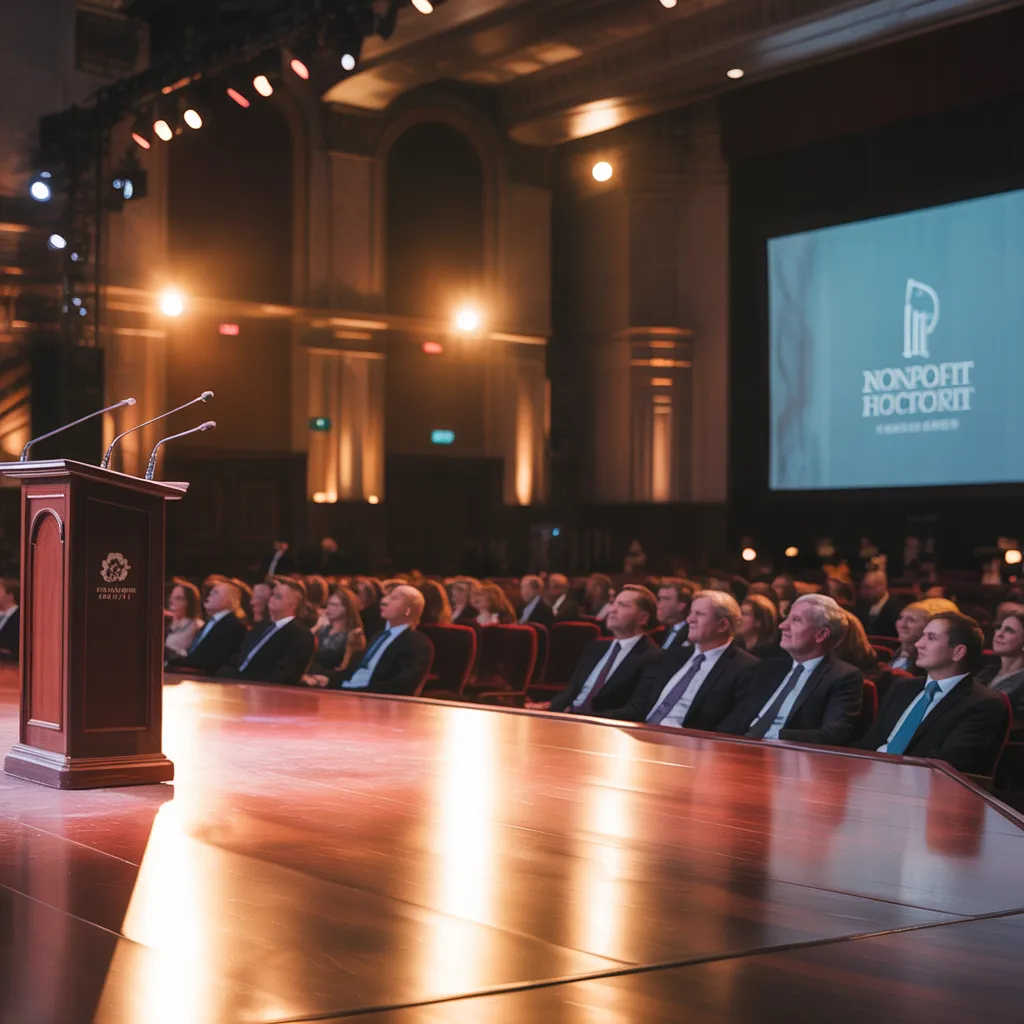
Event coordinators act as the driving force behind non-profit charity events, managing every element to achieve success. Their core function includes grasping the goals and vision of the organization, transforming these into a unified event plan. They handle arrangements, including venue selection, catering, and audiovisual needs, making certain that all components support the event's objectives.
Furthermore, event planners are adept at budgeting, assisting organizations in maximizing their resources while minimizing costs. They build relationships with vendors and sponsors, securing contracts that support the charity's financial objectives.
In addition to logistical tasks, they also focus on advertising the event, utilizing digital platforms and conventional methods to drive attendance and engagement. By coordinating volunteers and staff, they build an effective team structure, maintaining organized workflows throughout the event. Ultimately, the role of an event planner is essential in enhancing the overall impact and success of nonprofit fundraising occasions.
Choosing Your Event Planner
How can a non-profit organization guarantee it selects the right event planner for its charity event? The hiring process commences with locating planners who carry relevant experience in the non-profit sector. Organizations are encouraged to examine portfolios and case studies so as to measure previous accomplishments and applicable expertise. Engaging in conversations with potential planners allows for insights into their understanding of non-profit goals and values.
Additionally, charities should pursue suggestions from fellow organizations or industry contacts to ascertain trustworthiness. Evaluating potential hires about their approach to planning, problem-solving strategies, and perspective on the event can uncover compatibility. Budget considerations are also vital; planners should provide transparent pricing structures that match the nonprofit's budgetary limitations. Finally, evaluating communication styles is essential—successful partnerships rely on transparent and honest communication. By thoroughly evaluating these aspects, a non-profit can confidently choose an event coordinator who will powerfully improve its fundraising event.
Captivating Themes That Connect
What qualities define a truly impactful theme for a charity event? An effective theme connects with attendees and supports the goals of the non-profit. It should evoke emotion, sparking interest and engagement among attendees. As an example, a "Masquerade Ball" can establish an atmosphere of intrigue, motivating attendees to bond through collective moments.
Furthermore, themes should be visually striking, enhancing the overall ambiance and making the event memorable. Incorporating interactive elements, like interactive displays or live art, can additionally engage attendees.
Moreover, a thoughtfully crafted theme can simplify the event planning process, directing decisions involving decor, food, and entertainment. By confirming that all elements of the event embody the selected theme, event coordinators can develop a unified experience that reinforces the cause's message. At the end of the day, a strong theme not only draws attendees but also fosters a stronger connection to the initiative, encouraging generosity and support.
Intelligent Budget Planning for Charity Events
A captivating theme defines the character of a charity event, but effective budgeting guarantees its successful execution. Smart budgeting involves a thorough assessment of both fixed and variable costs, ensuring that every dollar contributes to the event's goals. Event planners often recommend establishing a clear budget framework that includes venue costs, food and beverage, advertising, and entertainment options.
Prioritizing spending is essential; planners encourage identifying vital elements that align with the event's mission. Furthermore, exploring in-kind donations and corporate sponsorships can substantially cut costs, allowing more funds to be directed toward the cause.
Regular budget reviews throughout the planning process may reduce the likelihood of unforeseen expenses. Through open communication with stakeholders about costs, meaningful partnerships and cooperation can thrive. Ultimately, smart budgeting not only enhances the event's impact but also solidifies the organization's reputation, guaranteeing that attendees recognize the value of their support.
Streamlined Logistics Management
Efficient logistics planning is essential for the success of non-profit fundraising events. This requires efficient venue coordination, streamlined vendor partnerships, and precise schedule coordination to ensure that each element falls perfectly into place. By emphasizing these components, event planners can deliver a seamless experience that enhances the overall impact of the event.
Streamlined Venue Coordination
While finding the ideal venue is crucial for a thriving charity event, effectively managing logistics can determine the success or failure of the entire experience. Effective venue coordination involves meticulous planning, from layout design to accessibility. Event coordinators must confirm that the location can support the projected attendance while enabling unobstructed traffic flow across the event. Clear signage, well-planned seating, and assigned zones for registration and programming are vital for boosting guest involvement. Furthermore, prompt communication with venue personnel is necessary to handle any unexpected challenges. By coordinating these details efficiently, event organizers can establish a welcoming environment that enables attendees to concentrate on the event's purpose, ultimately contributing to enhanced fundraising outcomes and broader community engagement.
Streamlined Vendor Partnerships
Moreover, pre-negotiated contracts with vendors can lead to cost savings, which is vital for non-profit financial planning. A well-orchestrated vendor network also promotes creative solutions, as organizers are able to draw on the distinctive resources and expertise of each vendor. In summary, streamlined vendor partnerships create a cohesive and professional atmosphere, greatly contributing to the event's success and the organization's overall objectives.
Prompt Schedule Management
When coordinating a non-profit charity event, punctual scheduling is vital to secure flawless coordination. Event planners must build a detailed timeline that outlines every aspect of the event, from vendor arrivals to guest check-ins. This precise planning limits the possibility of disruptions and ensures that every team member understands their duties. Consistent check-ins and notifications keep everyone informed, permitting swift changes when unanticipated problems develop. Moreover, a well-structured schedule accommodates set-up and breakdown times, ensuring the event space is fully ready for guests. By focusing on prompt scheduling practices, event planners can elevate the general attendee experience, maximizing engagement and support for the charity's mission while supporting a polished and organized event experience.
Fresh Engagement Concepts for Charity Events
Groundbreaking interaction concepts can substantially boost the appeal of philanthropic events. Incorporating engaging fundraising initiatives, distinctive thematic experiences, and successful online engagement methods can foster more meaningful bonds with attendees. Such methods not only increase involvement but also amplify the broad reach of the gathering.
Engaging Fundraising Activities
Involving participants in charity events calls for imaginative thinking, and dynamic fundraising activities can convert conventional events into vibrant experiences. These activities not only promote community involvement but also encourage contributors to engage meaningfully. Choices such as live auctions, where participants compete for unique items, or engaging activities that include giving incentives can significantly boost engagement. Furthermore, utilizing digital tools, like mobile apps for instant fundraising tracking, enables immediate participation. Challenges, such learn the details as sponsored walks or treasure hunts, can also motivate attendees while collecting contributions. By integrating these participatory features, event coordinators cultivate an enjoyable atmosphere that not only generates funds but strengthens bonds among attendees, ultimately maximizing the impact of the fundraising event.
Specialty Themed Event Experiences
Creating themed event experiences can considerably improve the atmosphere of charity gatherings. By selecting a cohesive theme, organizers can create immersive environments that engage participants. Themes such as costume galas, retro markets, or heritage celebrations can increase involvement and foster a sense of community. Unique decor, costumes, and activities aligned with the theme can spark discussion and encourage participation. As an illustration, a \"Roaring Twenties\" theme might feature jazz music, art deco decor, and period-inspired cocktails, producing a lasting impression. Furthermore, themed events can guide fundraising strategies, with auction items and donation drives customized to fit the motif. In summary, a well-executed theme not only entertains but also deepens the meaningful tie to the purpose, consequently amplifying the occasion's overall influence.
Social Media Participation Strategies
Utilizing the potential of social media can significantly boost the impact and reach of charity events. Event planners can take advantage of platforms like Instagram, Facebook, and Twitter to create buzz before, during, and after events. Engaging content, such as live-streaming segments, exclusive behind-the-scenes footage, and real-time updates, maintains audience engagement. Integrating interactive elements, like hashtag campaigns or polls, encourages attendees to share their experiences, building community connections. Additionally, producing shareable visuals and marketing videos can enhance visibility. Post-event, organizers should solicit feedback and testimonials from attendees, enabling natural content sharing and building lasting relationships. By utilizing these strategies, event coordinators can convert social media into an invaluable resource for improving charity events and expanding their audience.
How to Evaluate Event Success
What methods can event planners use to accurately assess the success of a non-profit charity event? Success metrics can vary, but several key indicators provide valuable insights. To begin with, financial results are essential; organizers should assess the amount raised in comparison to the targets established before the event. Furthermore, guest responses are of great importance; feedback forms distributed following the event can evaluate overall satisfaction and participant engagement. Moreover, social media analytics, such as shares, likes, and comments, can illustrate the event's overall reach and its impact on the community.
Moreover, analyzing the count of new donors or volunteers gained during the program can reflect the potential for sustained engagement. Another important factor is press coverage, as greater visibility can enhance the reputation of the organization. Lastly, planners should assess the overall logistical performance, including attendance figures relative to registration numbers. By merging these key metrics, event coordinators can achieve a complete picture of their event's success and recognize opportunities for future enhancement.
Frequently Asked Questions
How Do I Find Volunteers for My Charity Event?
To recruit volunteers for a charity event, one can leverage local community boards, volunteer organizations, and social media. Additionally, contacting schools and universities tends to attract motivated participants eager to share their time and expertise.
What Permits Do You Need for Hosting Charity Events?
When organizing charity events, event planners generally require permits including outdoor gathering permits, alcohol licenses, and special event authorizations. Regulations differ depending on the region, so consulting local regulations is essential for compliance and successful planning.
How Do I Successfully Promote My Charity Event?
To successfully promote a charitable event, one should utilize popular social networking sites, partner with local media sources, work alongside influential personalities, create eye-catching visuals, and encourage word-of-mouth while providing compelling incentives to drive attendance and engagement.
What Are Common Pitfalls to Avoid During Charity Events?
Frequent challenges at charity events involve poor preparation, unsuitable venue choices, lack of promotion, overlooking donor appreciation, and inadequate volunteer involvement. Tackling these challenges can significantly improve the event's impact and overall outcome.
What Is the Best Way to Follow up With Donors After the Event?
Reaching out to donors following an event includes showing thankfulness through customized emails or handcrafted messages, presenting key moments from the event, providing updates on the impact of their contributions, and inviting further engagement with future initiatives.